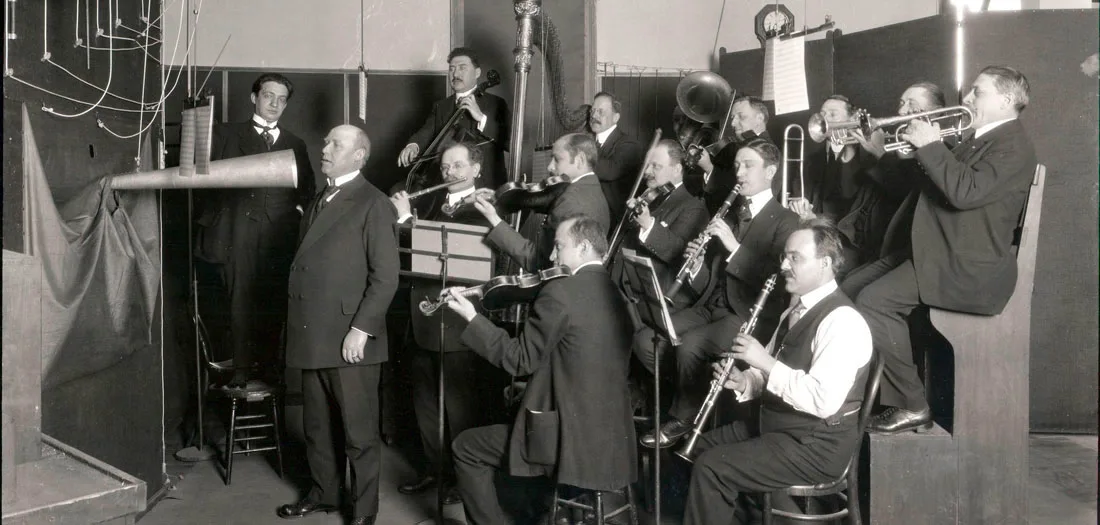
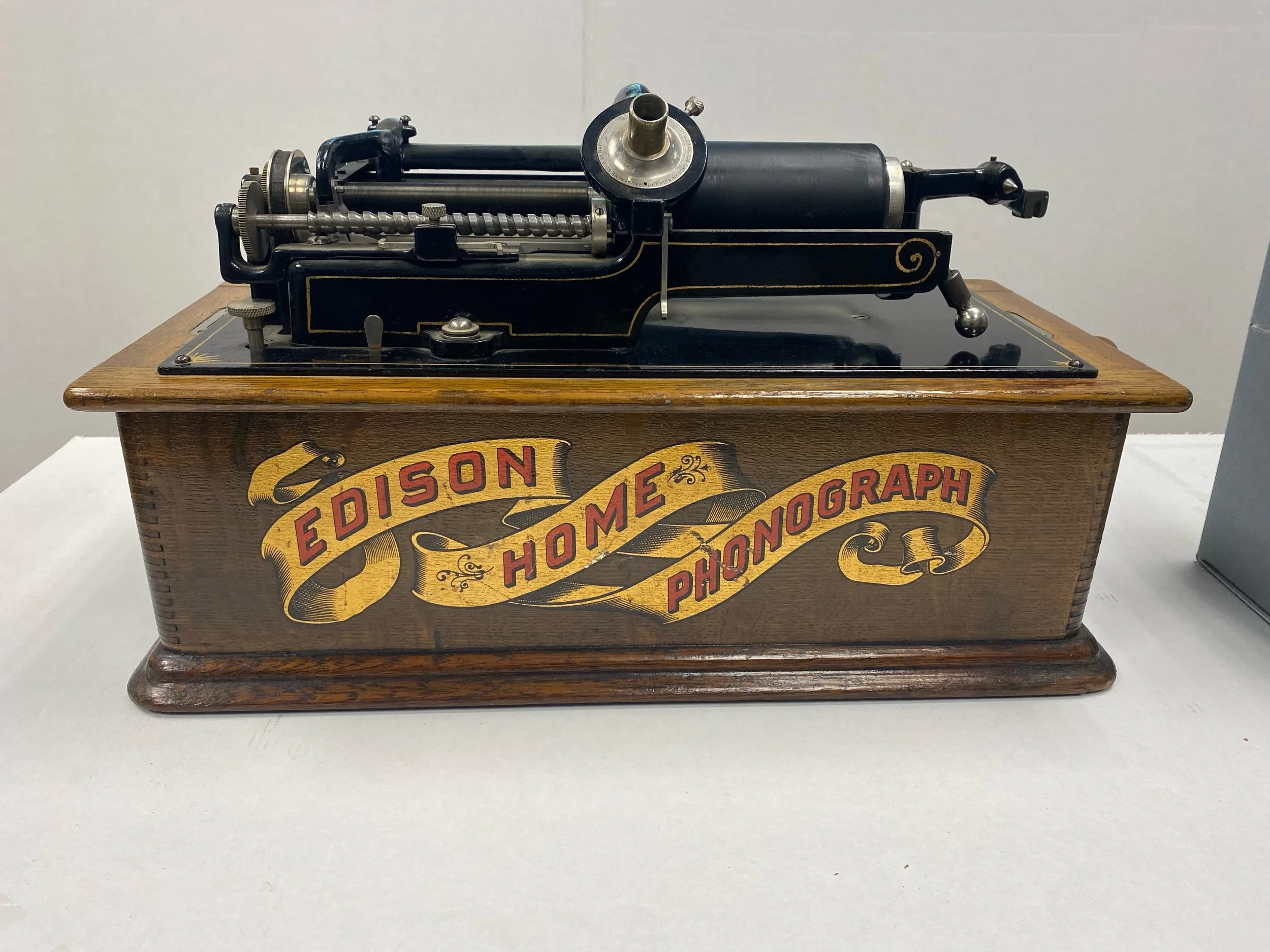
In the 1870s, American society was experiencing unprecedented economic and technological growth. The invention of the telegraph had demonstrated the possibility of transmitting information over long distances, and many inventors were seeking ways to capture and reproduce other types of information, such as sound. Thomas Edison, one of the most prolific inventors of his time, was at the peak of his career. He had invented the electric telegraph and was working on several projects simultaneously. After experimenting with many different materials, he finally created the phonograph in 1877. This revolutionary device could record and reproduce sounds using a cylinder covered with wax. The phonograph marked the beginning of a new era in capturing and reproducing sound. The phonograph used a stylus to record sound vibrations on the wax coating of the cylinder. To play back the sound, the cylinder was placed in the machine and the stylus retraced the recorded vibrations. Although the phonograph had limitations, it was a fundamental step towards future audio development.
In 1887, Emile Berliner invented the gramophone, an innovation that replaced cylinders with rotating discs. This technological change opened up new possibilities for music reproduction. The gramophone allowed for the creation of longer-lasting and easier-to-produce records, which led to the birth of the modern record industry.